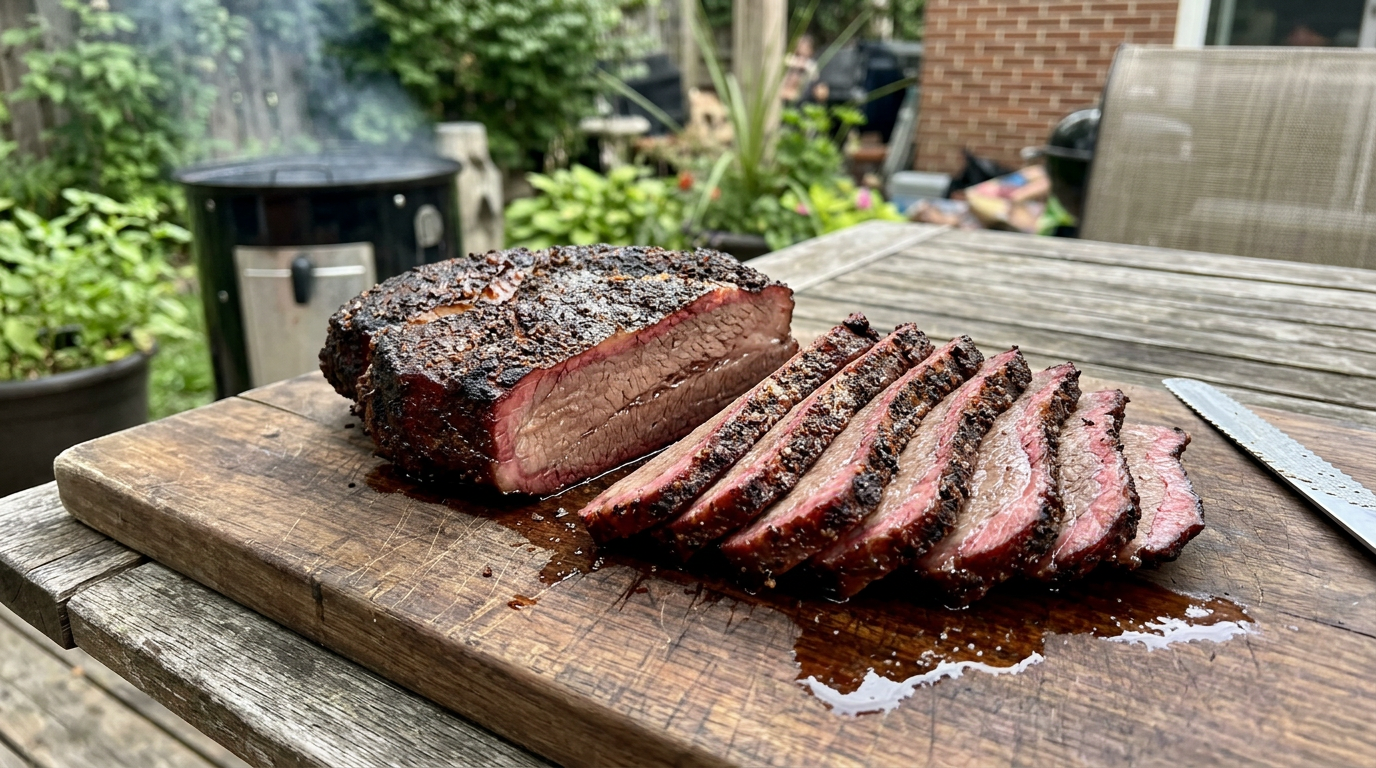
Smoked Chuck Roast: The 'Poor Man's Brisket' That’s Rich in Flavor
Introduction
If you’re anything like Big B, you love a good brisket. But let’s be honest. Sometimes you just don’t have the 12 to 14 hours it takes to do it right. And with the way beef prices have been going lately, your wallet might not always be ready for a 15-pound packer.
That’s where the smoked chuck roast comes in. Folks often call it “Poor Man’s Brisket.” Big B’s take is that it’s one of the best-kept secrets in the BBQ world. It’s got all the beefy, smoky goodness of a brisket. But it comes in a smaller package that you can have ready for dinner in about 6 to 8 hours.
Selection: Choosing the Right Roast
You can’t just grab any old piece of beef and expect it to turn out great. Big B has a few rules when he’s at the butcher looking for a chuck roast.
The Marbling: Since we’re going low and slow, you want a roast that’s got some good intramuscular fat. Look for those white flecks of fat running through the meat. This is your insurance policy against a dry roast. If the meat looks lean and red, keep looking.
The Size: Big B usually aims for a roast in the 3 to 4-pound range. This is the sweet spot. Anything smaller can dry out too quickly. Anything larger might as well be a brisket flat.
The Shape: Try to find a roast that’s relatively even in thickness. This helps it cook uniformly. You don’t want one side that’s overdone while the other is still tough.
The Prep: Keeping it Simple
When it comes to the rub, Big B’s take is that you shouldn’t overcomplicate things. You’re working with a smaller, more delicate cut than a full brisket. You want to highlight the flavor of the beef, not hide it behind a dozen spices.
The Binder: You can use a little mustard or oil to help the rub stick. But Big B usually just uses a light coating of hot sauce. It gives it a nice little kick and helps with that beautiful bark formation.
The Rub: Keep it simple with a 50/50 mix of coarse kosher salt and coarse black pepper. If you’re feeling a little fancy, add a dash of garlic powder.
Apply the rub generously on all sides. Don’t be shy. Chuck roasts have a lot of surface area to soak up those flavors.
The Cook: Low and Slow
Setting up your pit for a chuck roast is almost exactly like you would for a brisket. Big B likes to aim for a steady 250°F (121°C). This gives the fat plenty of time to render without drying out the meat.
Wood Choice: Since we’re working with beef, you want a wood that can stand up to that bold flavor. Hickory or Oak are the standards here. If you want a little more of a fruity finish, Cherry can be a great addition, too.
The Stall: Just like a brisket, a chuck roast is going to hit a stall around the 160°F (71°C) to 170°F (77°C) mark. Don’t panic! This is where you decide whether to wrap or not.
The Wrap and The Finish
Big B’s take is that for a chuck roast, you should almost always wrap. Because it’s a smaller cut, it’s much more prone to drying out than a giant brisket.
Foil vs. Paper: If you want that super-tender, pull-apart texture, use foil. If you’re looking for that crunchy bark, go with peach paper. Big B usually reaches for the foil here to make sure that roast stays juicy.
The Numbers That Matter: Pull the roast when it hits an internal temp of 203°F (95°C). It should be “probe tender.” That means your thermometer should slide in like a hot knife through butter.
The Verdict: Slicing vs. Pulling
The best part of a smoked chuck roast is its versatility. You can slice it thin for that classic brisket-on-a-plate feel. Or you can pull it apart for the best beef sandwiches you’ve ever had.
Big B’s Advice: Let the roast rest for at least 30 to 60 minutes before you slice or pull. This is critical to making sure all those delicious juices stay in the meat where they belong.
Keep the fire steady and the drinks cold. I’ll see you at the pit. — Big B
Keep the Fire Burning
The Art of Low and Slow: Smoked Brisket 101
Master the most challenging BBQ cut with our step-by-step guide to brisket selection, trimming, and temperature control.
Read GuideThe Poultry Brine Bible: Wet, Dry, and Why It Matters
Master the science of moisture retention. Learn when to use a wet brine for juiciness and when a dry brine is mandatory for crispy skin.
Read GuideThe Post Oak Bible: Master the Backbone of Central Texas BBQ
Why Post Oak is the ultimate 'Goldilocks' wood for brisket, how to source it, and the secrets to getting that perfect clean blue smoke.
Read Guide